Fully licensed & accredited
-
 NSW Fair Trading
-
 Australian Society of Building Consultants
-
 Strata Community Association
-
 Building Dispute Practitioners Society
Mould in a newer Marsden Park home is rarely just a cleaning job. A mould and moisture inspection looks for where the water is likely coming from: a shower leak, condensation, or a weep hole buried under a garden bed.
One of our inspectors will call you back.
If it is urgent, email [email protected]
Fully licensed & accredited
NSW Fair Trading Australian Society of Building Consultants Strata Community Association Building Dispute Practitioners Society A mould and moisture inspection is a non-destructive visual inspection of the accessible areas, with moisture meter and thermal camera readings, that compares the likely source with the National Construction Code, including its condensation management provisions, and AS 3740 for wet areas.
21 checkpoints across 6 areas on a standard Marsden Park mould and moisture inspection. We need the lot reachable and your builder aware an independent inspector is attending. Where a stage is unfinished, the report says so rather than passing it.
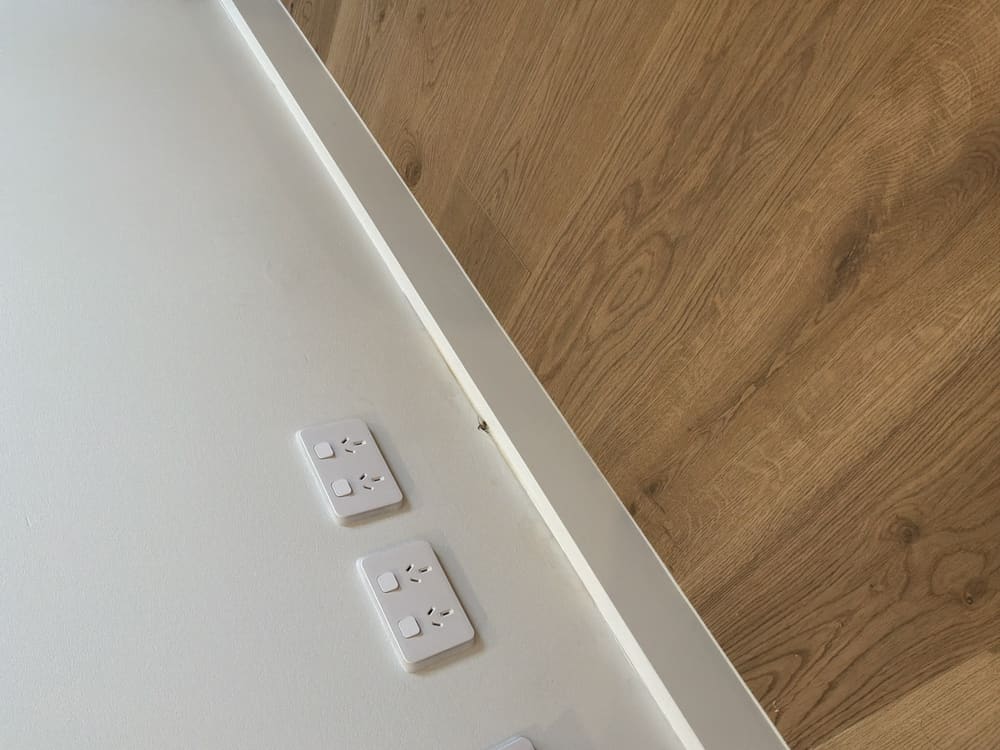
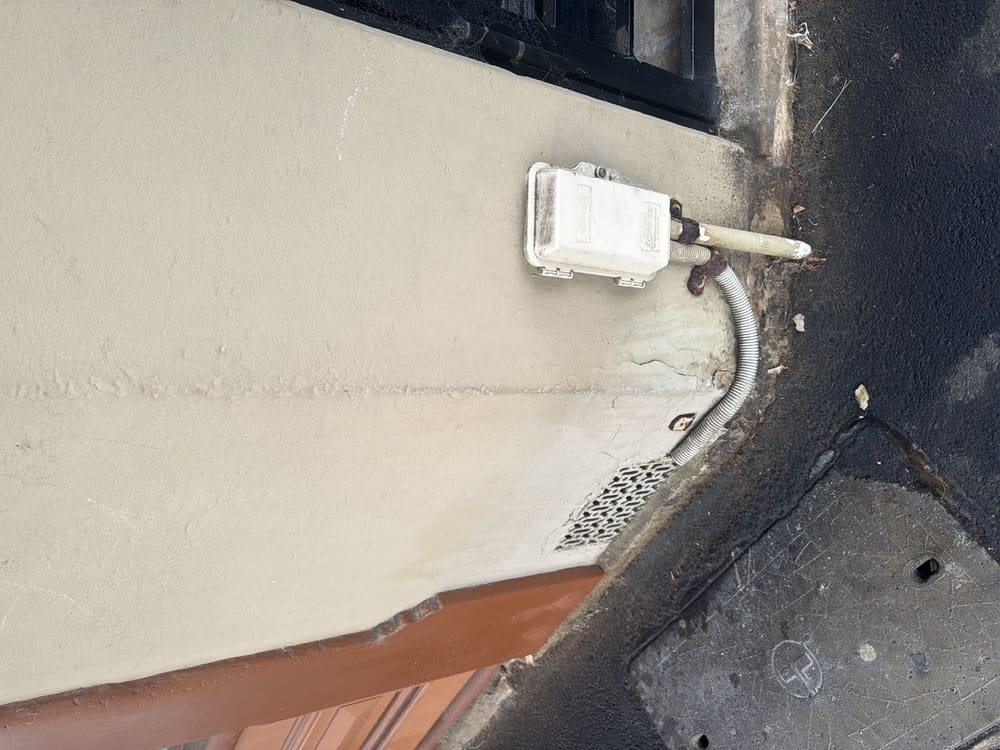
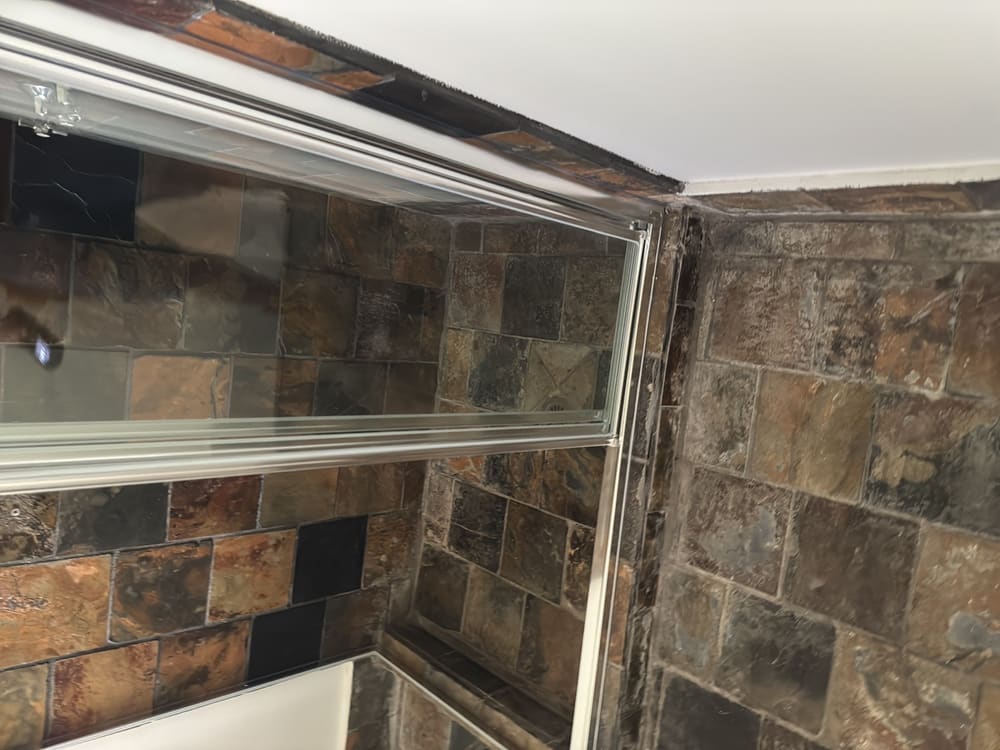
Examples from recent inspections around Marsden Park.
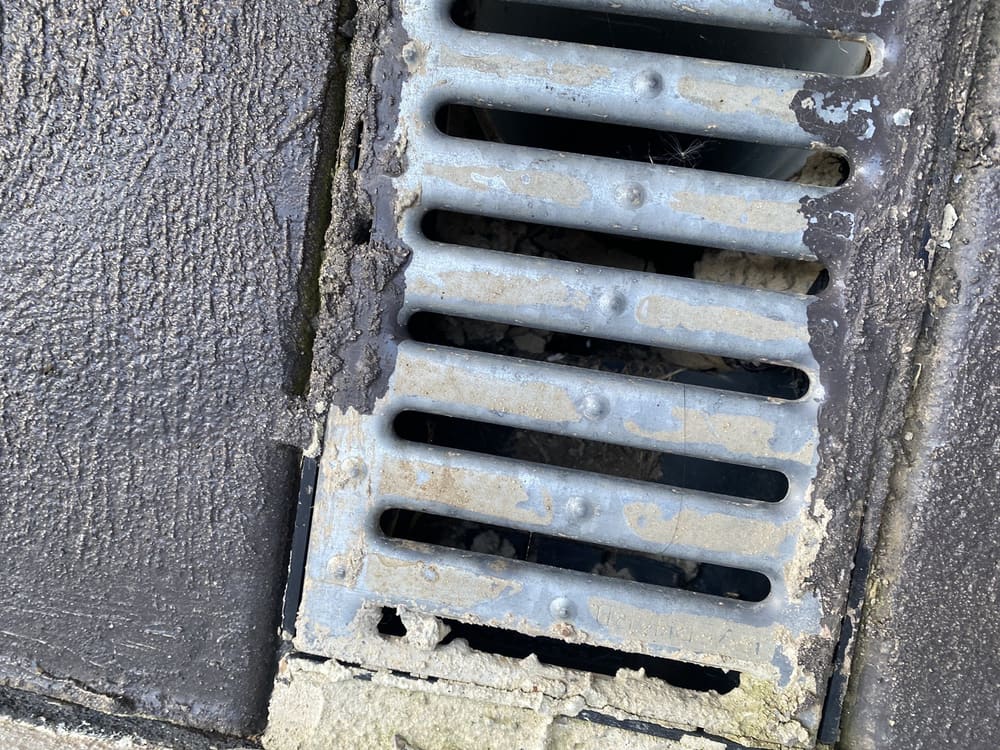
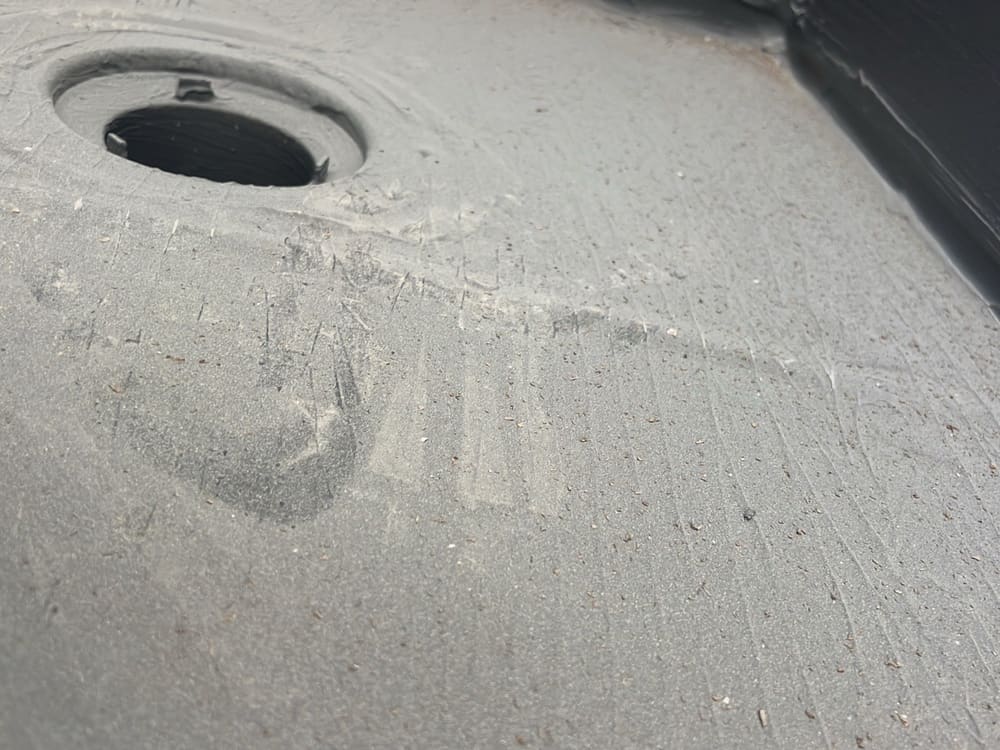
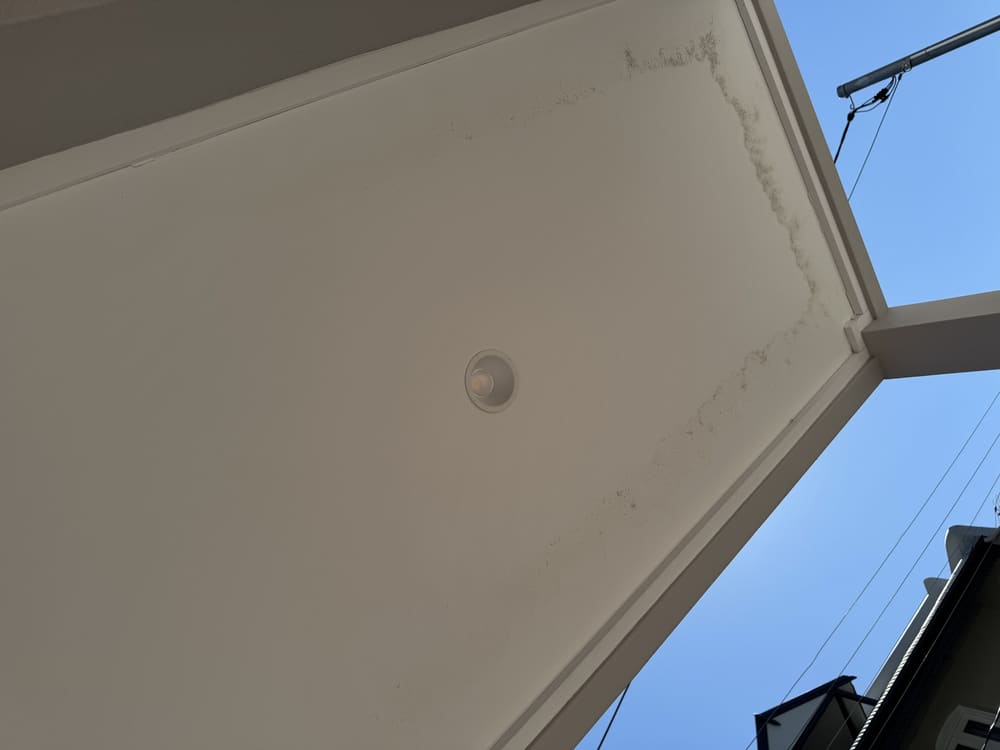
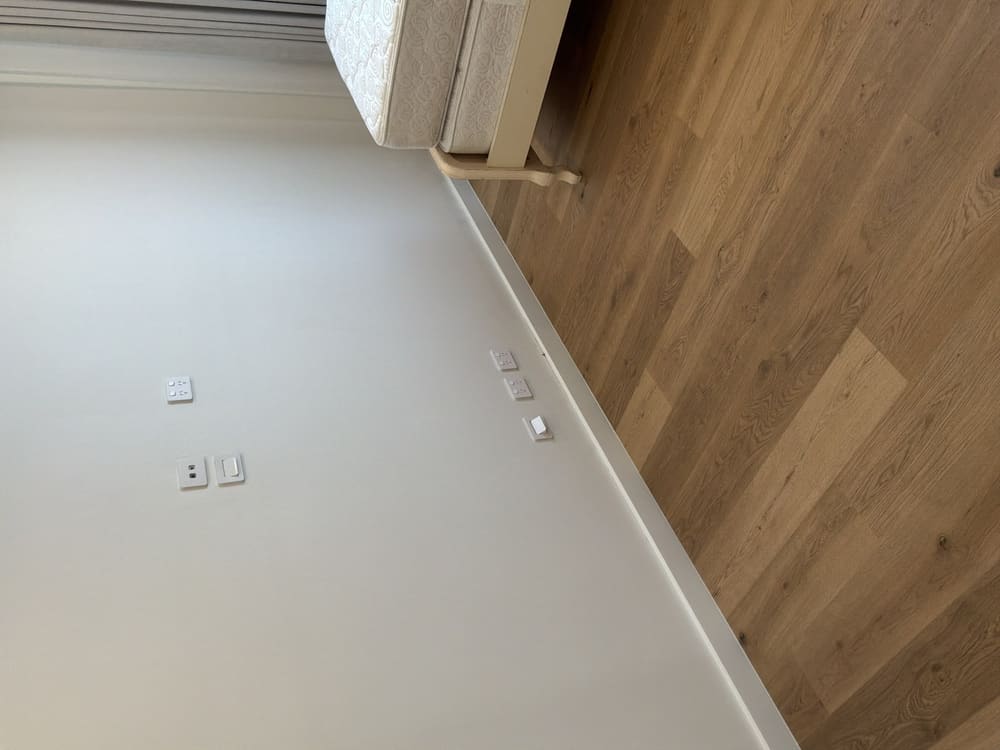
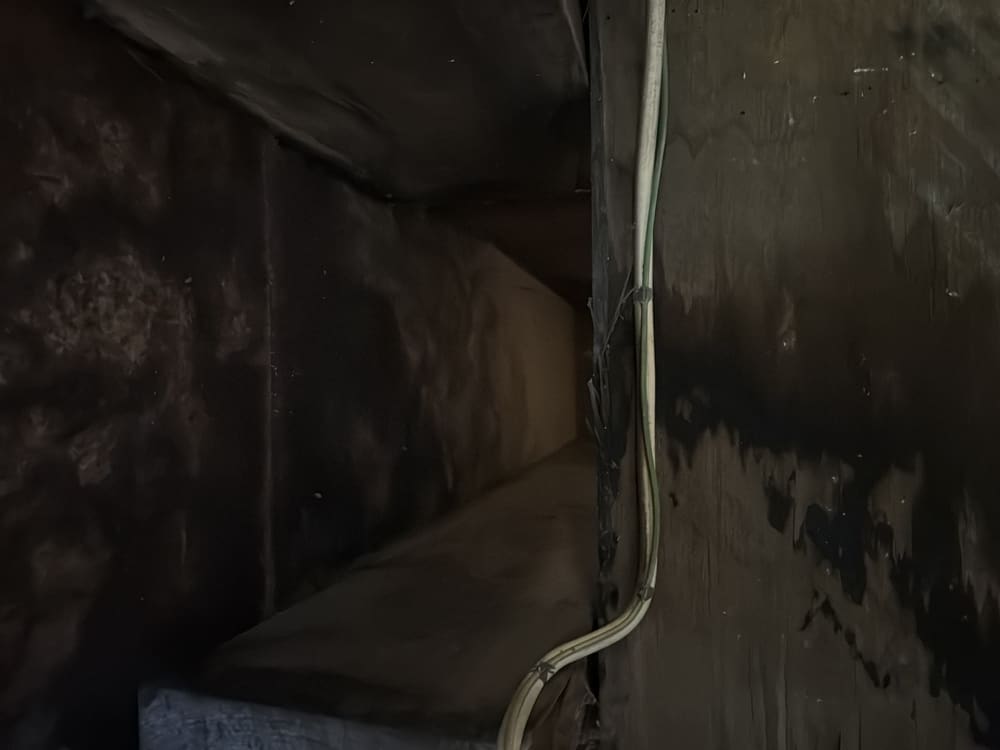
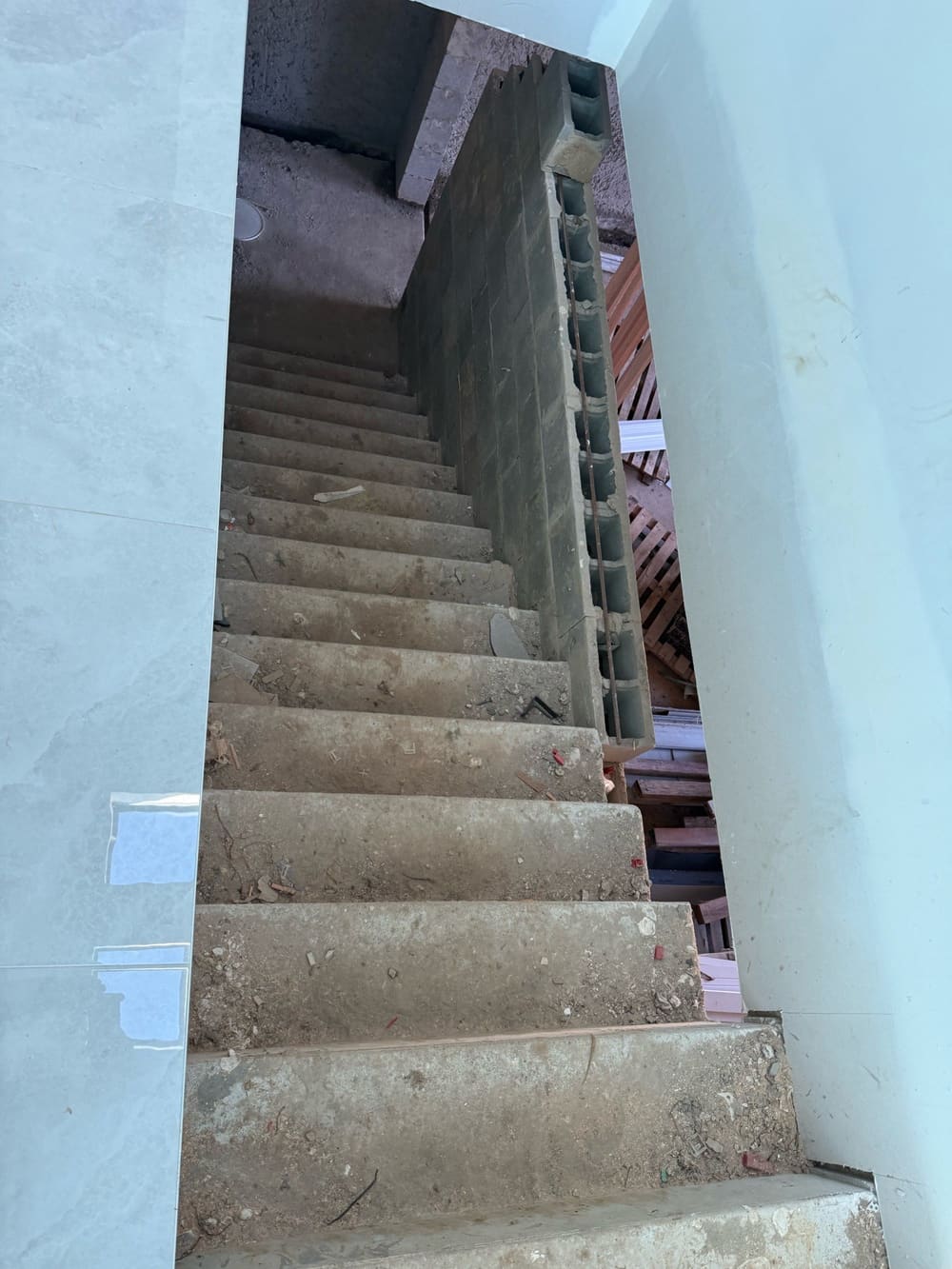

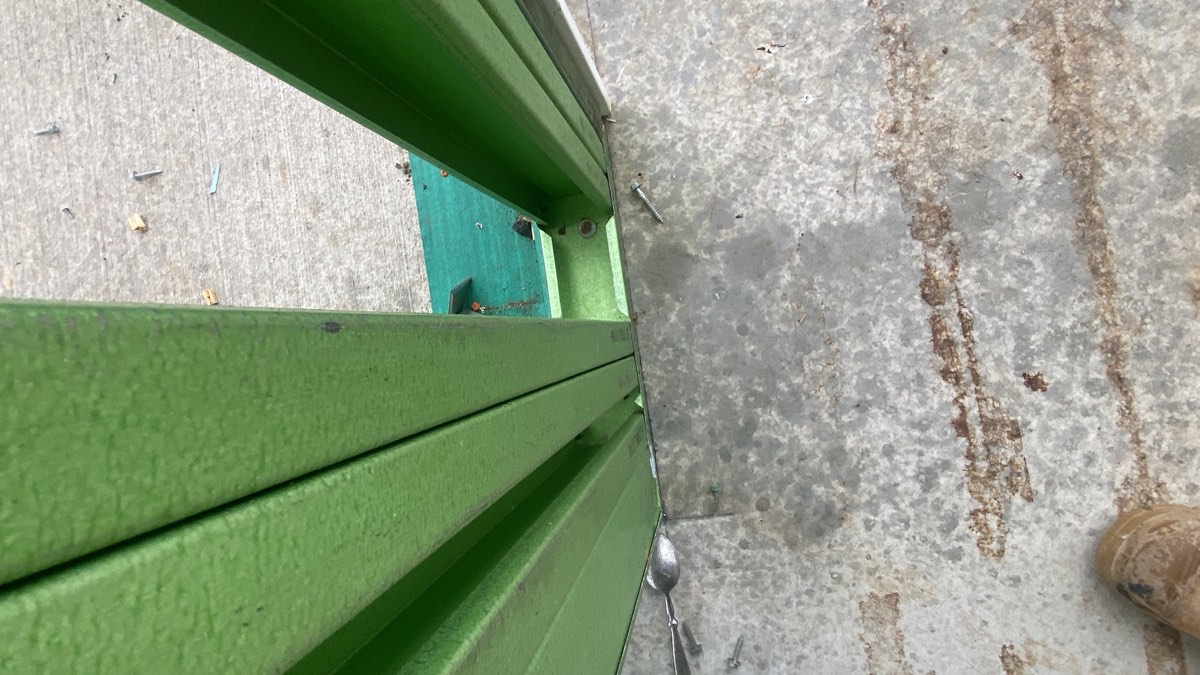 New Construction Stage Inspections Seven checks through a Marsden Park build, before each stage is covered.
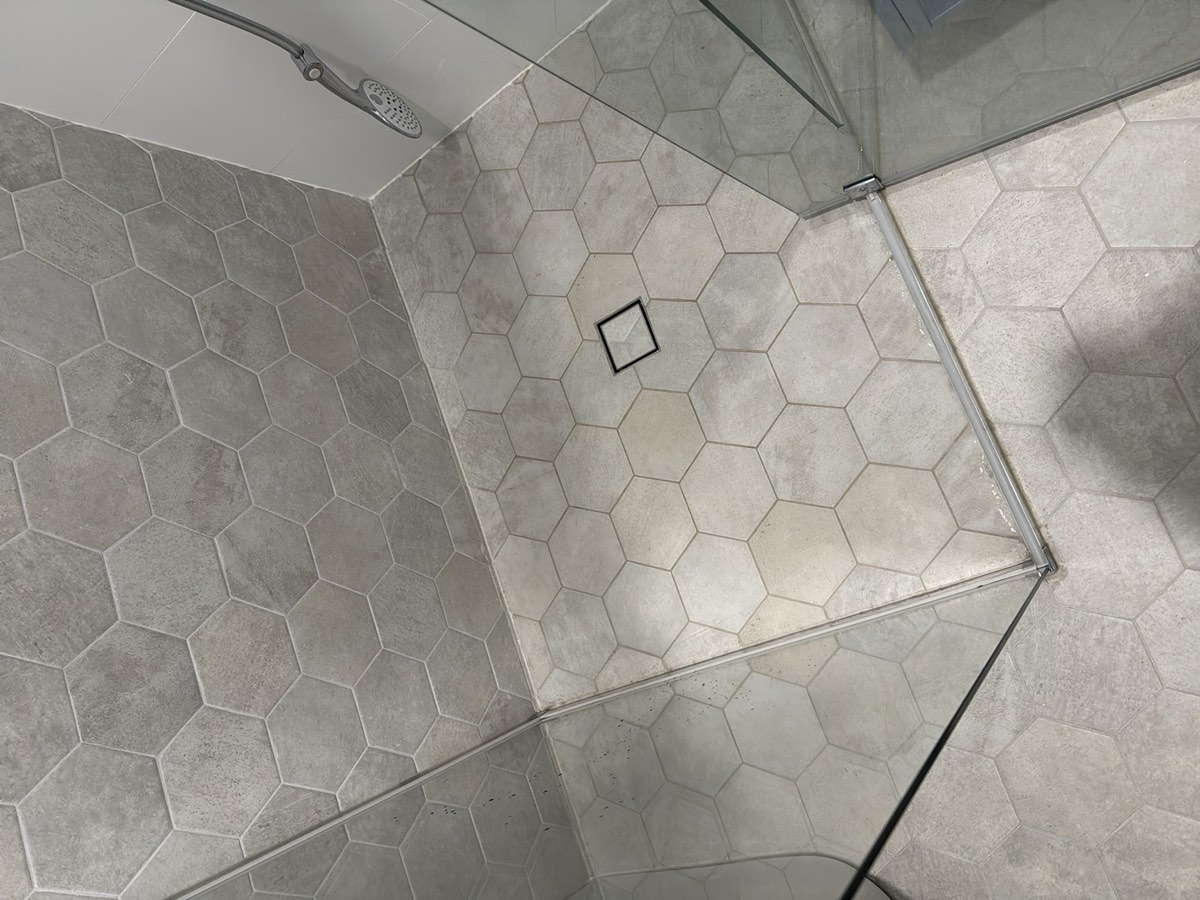 Pre-Handover (PCI) Inspections The closing list while the final instalment is still yours.
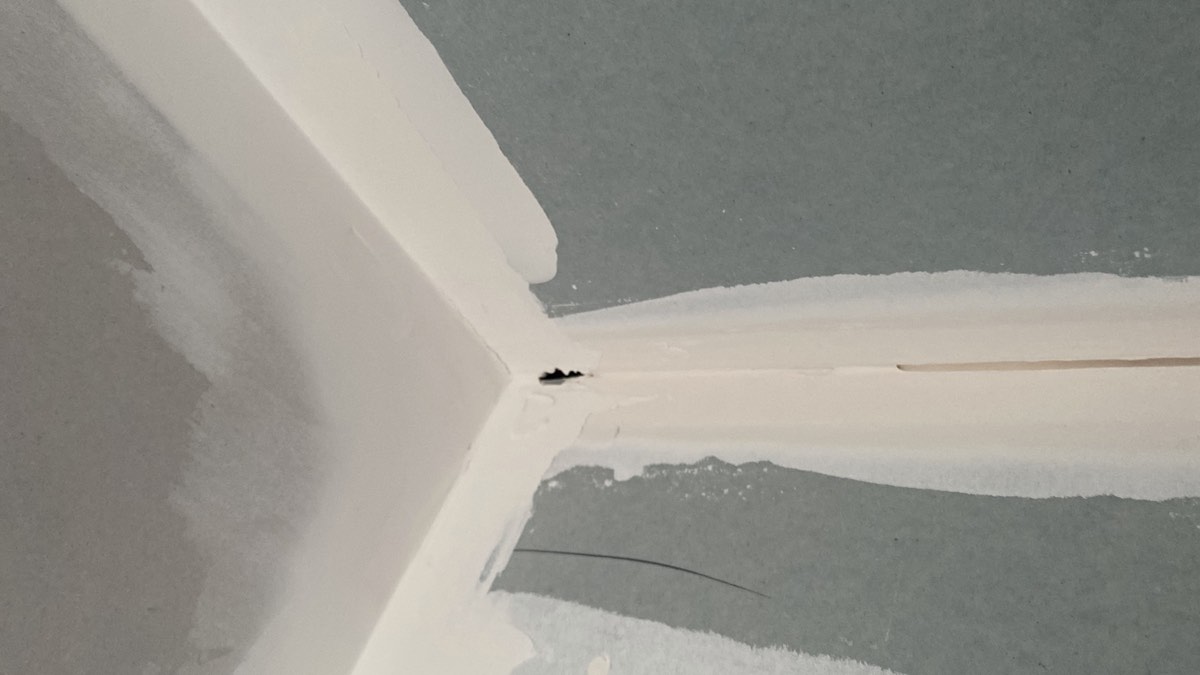 Pre-Purchase Building Inspections A visual inspection to AS 4349.1 of Marsden Park's young resale stock.
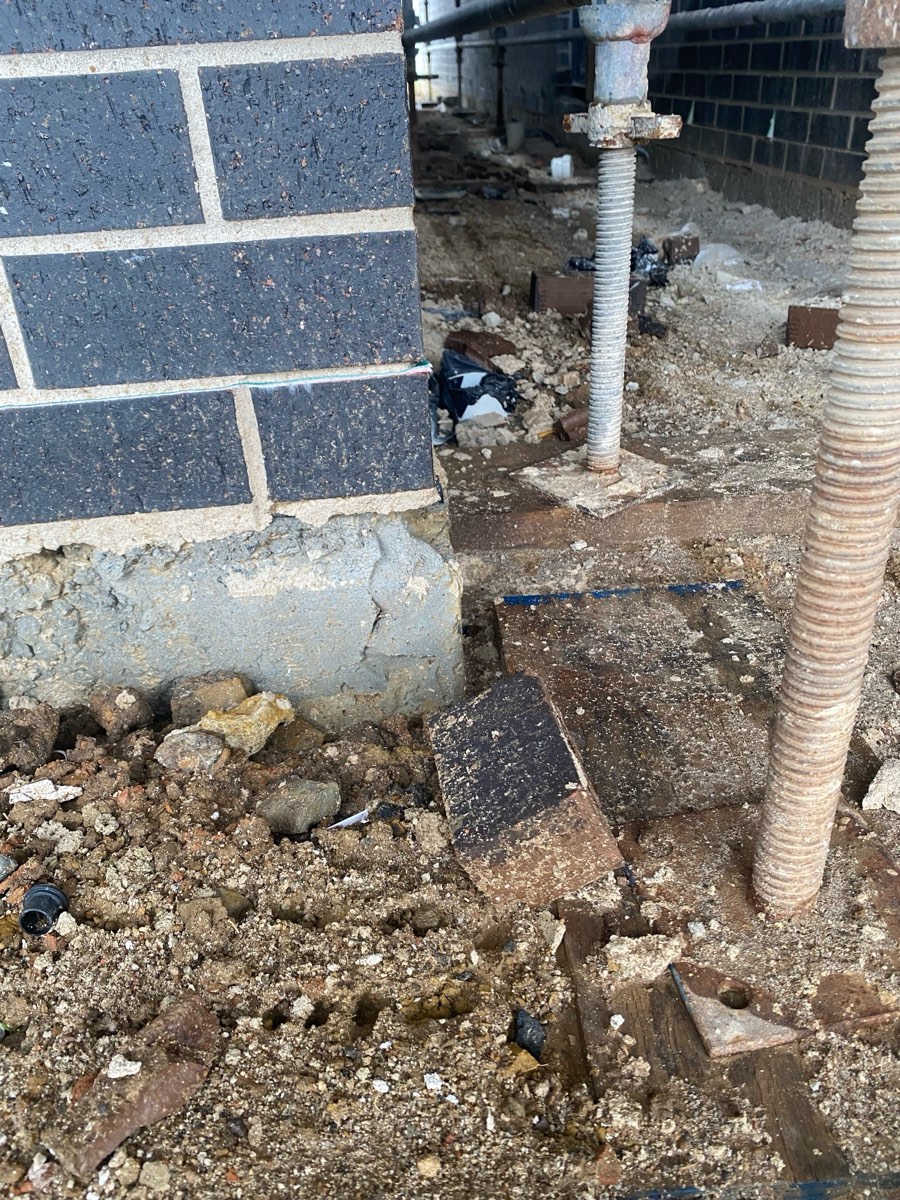 Building and Pest Inspections A single visit covering both, with each written up on its own.
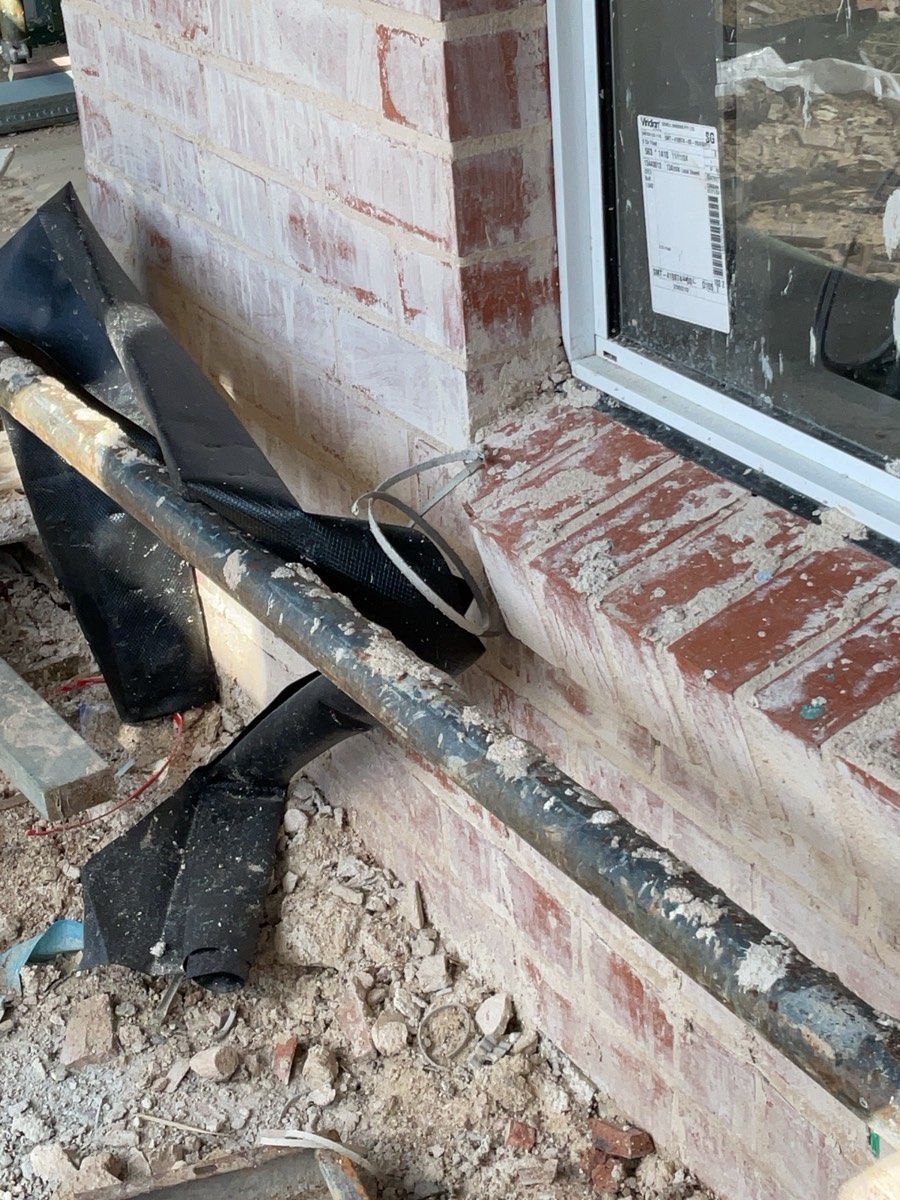 Dilapidation Reports Photographs with dates, taken before construction begins on the adjoining block.
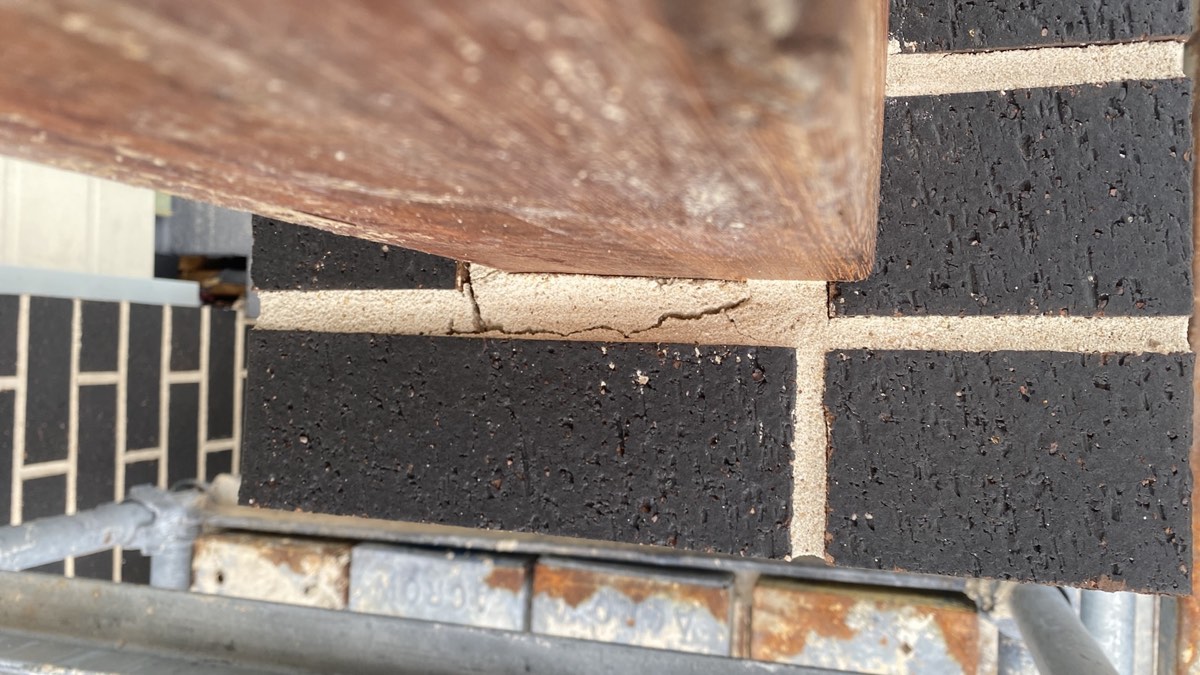 NCAT Expert Witness Reports Expert evidence drawn to the tribunal's procedural direction when a matter gets that far.
 Pre-Listing Inspections See what a buyer's inspector will see, while the timing is yours.
 Insurance Claim Assessments An independent account of damage and its origin for a claim being assessed.
Instant online pricing for Marsden Park, or contact the booking team.
We record every area of visible mould, take moisture meter readings around it and use a thermal camera where hidden damp is likely. Then we follow the moisture to its source, inside and outside the house. The report sets out the likely cause and the building work needed to stop it.
No. It is a building inspection that finds visible mould and the moisture causing it, and it does not identify mould species or measure spores in the air. NSW Health advises that because most mould is visible, testing in the home is generally not necessary. Where testing is needed, for example when the source cannot be found, an occupational hygienist takes samples for a laboratory.
No, and no building inspector should. NSW Health says people with asthma, allergies or breathing conditions may be more sensitive to mould, and advises contacting your doctor if health problems follow contact with it. What we can tell you is where the moisture is likely coming from, what to fix, and when further testing is needed.
Usually condensation. Warm, moist air from showers, cooking and drying clothes settles on the coldest surfaces, often a ceiling with a gap in the insulation above it or a corner with little airflow. We check whether the exhaust fans work, where they discharge and whether the room has enough air movement to clear the moisture. Under the NCC 2022 condensation provisions, exhaust from a bathroom, laundry or kitchen in a new house must discharge to outdoor air, not into the roof space.
Possible causes include leaking plumbing, a poor junction at the hob or screen, or a waterproofing defect in the shower. High meter readings low on the wall on the far side support that. AS 3740 sets the waterproofing requirements for domestic wet areas, and the right repair depends on confirming the source, which may need a plumber, the builder or further testing.
It can contribute. Weep holes let water that gets into a brick veneer cavity drain out above the flashings, and a garden bed, paving or render over them traps it. We check every wall for buried weep holes and for ground built up near the damp course line.
NSW Fair Trading guidance says it depends on the cause. If mould comes from a defect the landlord did not repair in a reasonable time, or from inadequate ventilation, the landlord is responsible, while a tenant may be responsible if they trapped moisture, for example by never opening windows or not using the bathroom fan. Tenants must tell the landlord or agent as soon as they see mould or damp, and a report showing the building cause gives both sides something factual to work from.
If the mould comes from defective building work, the statutory warranties under the Home Building Act 1989 may apply. They run from completion for six years for a major defect and two years for other defects, and NSW Government guidance lists waterproofing as a major element of a building. Raise it with the builder in writing and ask Building Commission NSW for help, and if the warranty deadline is close, lodge at NCAT in time rather than waiting.
Mould sampling, air testing and laboratory analysis, health advice, and any destructive work such as cutting into walls or lifting tiles. We do not pressure test plumbing, certify waterproofing, or clean or remove mould. Where only an opening or a specialist test would confirm the cause, the report says so and where to look.
The fee depends on the size of the home and how many rooms are affected, and the instant quote shows it before you book. The written report follows the inspection, with photographs, readings and the likely cause.
All of Marsden Park, including Elara, Clydesdale, Fernlea, The Grange, Horizon and Santara. We also inspect in Schofields, Riverstone, Colebee, Shanes Park, Rouse Hill and Box Hill, and across the wider north west.